Alan Titchmarsh filming at the farm


A honey bee on a sunflower


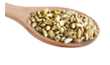
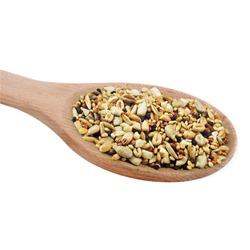
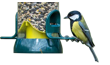
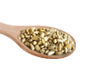
Feeder Mix


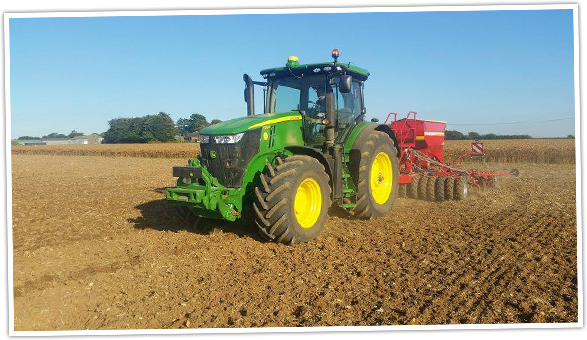
Drilling the Sunflowers


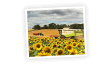
A field of Sunflowers in bloom


A high plant population of Sunflowers


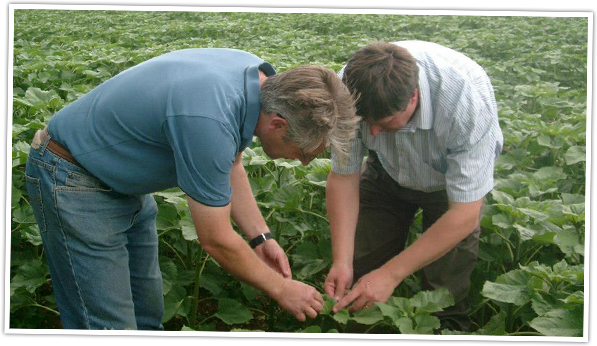
Richard and his Agronomist checking plants


Sunflower head filled with seed


Sunflower head with seeds eaten by the birds


Sunflower head ripening


Sunflowers ready for harvesting


A Sunflower head decimated by Sclerotinia fungus


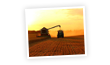
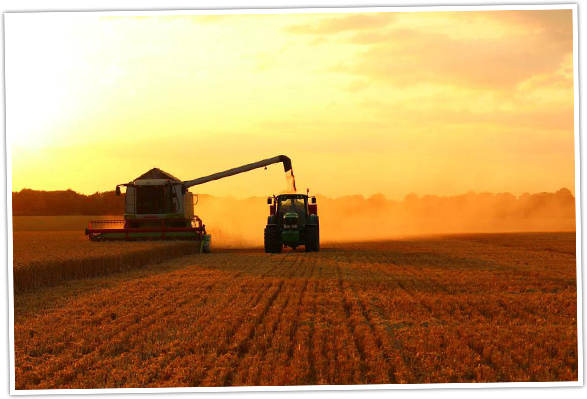
Richard harvesting the Sunflowers


Residual Stalks


Topping the Sunflower Stalks


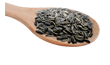
Sunflower Seeds straight from the field

How we Grow our Sunflowers for your Garden Birds

Sunflowers are a glorious crop! They are bright, beautiful, happy flowers that produce tonnes of oil laden seed which we use as a main ingredient for our wild bird seed .

Sunflowers are a real show crop and by growing a large acreage of them on our farm, the farm becomes a stunning place, visited by lots of local walkers and photographers, (and the odd famous face has also been seen lurking in our sunflower fields whilst doing some filming)!


Of course, the sunflowers also attract a mass of birdlife to the farm and they are also great for bees. Our local bee-man puts out a number of bee-hives in early summer to pollinate the crop.


Because they are such a fascinating crop, I would like to tell you a bit about how we grow sunflowers and also, I thought you might like an insight into some of the challenges we have, producing high quality black sunflowers in the UK.


Our over-riding desire is to be able to produce the highest quality bird seed with oil seeds and cereal grains which are grown on our farm. This means local produce – UK grown, with no air-miles.


The UK is actually at the very Northern-most limit of Europe for growing sunflowers. They can be successfully grown below 300ft in England; south of a ‘virtual line ‘from the Wash to the Bristol Channel.


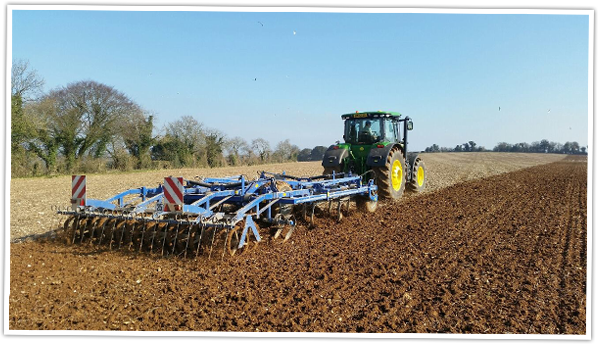
The sunflower growing season begins in earnest around April time, when Richard prepares the seed bed ready to take the sunflower seeds. We aim to drill (sow) the sunflowers towards the end of the month, when the soil temperature has warmed up to around 7 °C (however it is more often May before the soil is warm enough). Drilling the sunflowers correctly is one of the main determinants of a successful crop. Ideally, a ‘precision drill’ is used.
Precision drills plant sunflower seeds at precise distances from each other. The number of sunflower seeds drilled per square metre will have a significant effect on how easy they are to harvest; If you pack them too tightly they will fight for the sunshine which results in a really tall crop which is difficult for the combine cope with.


If you drill them too sparsely, the heads become huge and heavy and then fail to ripen. In the UK we drill a higher plant population than the farmers in Europe do. This is to ensure that the sunflower heads are smaller and therefore more able to dry down, ready to harvest.


After drilling it only takes about 10-15 days for the cotyledons (false leaves) to emerge though the soil, and these are then followed by the true leaves. Growth is vigorous.


One notable thing about sunflowers is that everything likes to eat them! Slugs in particular love to attack early plants, just as they have emerged. We do have to be very vigilant right through the growing season and Richard and his agronomist check regularly on their progress.


The plants will grow very quickly and we would expect the first flowers to open around the first week of August. Young emerging flowering heads exhibit heliotropism; a phenomenon whereby the sunflower heads track the sun’s movement, turning from East to West during the day. Mature plants lose this heliotropism and tend to just face East.

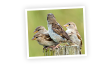
Sunflower seeds (which are actually the fruit of the flower!) then develop and it is not unusual to have between 1,500 and 2,000 sunflower seeds produced per head. This is when the birds on the farm really enjoy themselves. We don’t mind the sparrows, finches, linnets, yellowhammers, whitethroats, etc enjoying the seed – but keeping the pigeons at bay becomes a huge challenge!


The reason that sunflowers will bow their heads once the seeds have formed seems to be nature’s way of protecting them against bird attack. A great plan, but there is definitely room for improvement!

As you can see from this photograph, sunflower seeds in approximately one third of this head have already been eaten out, and you can tell from the residual yellowing of the leaves that they are not yet ready to be harvested from the field. We use bangers and metallic ’ clanking’ windmills to try to deter the pigeons attacking the sunflower heads.


As Summer moves to Autumn the backs of the sunflower heads go from yellow through to brown as the plant material dries out.


It is at this time that soil borne diseases such as Sclerotinia and Botrytis can hit the sunflower heads hard, particularly if we have mild and wet weather (which has been common in the UK for the last few summers!). Botrytis fungus causes head rot in sunflowers and can be a particular problem during wet weather.


Sclerotinia fungus can actually affect all parts of a sunflower at all stages of growth. The fungus can be found in the soil, particularly if oil seed rape has been in the field previously. For that reason we don’t grow sunflowers behind oil seed rape or on the same field on a closer than 1 in 4 yearly rotation, and we actually try to stretch that to 1 year in 6 – which means that as the business grows –we will need a lot of acres to accommodate our sunflower crop!


Sunflowers usually take around 140 days to reach maturity, and therefore should be ready to harvest around the middle of September. Realistically however, in the UK, where the autumnal weather can be a little different to that of Tuscany and the South of France , it is usually October before they can be considered ready to combine.


We harvest sunflowers with our Claas combine in the same way as we harvest our other crops, although we make modifications to the header set-up, and alter the speeds at which the combine moves through the crop.


When we cut the heads we try to leave as much stalk behind as possible. Sunflower stalks have a high % of latex in them; a rubbery material which was used in the manufacture of lifejackets many years ago!


After harvest, the stalk material is chopped with a topper and the chopped plant material is cultivated back into the ground, so nothing is wasted.


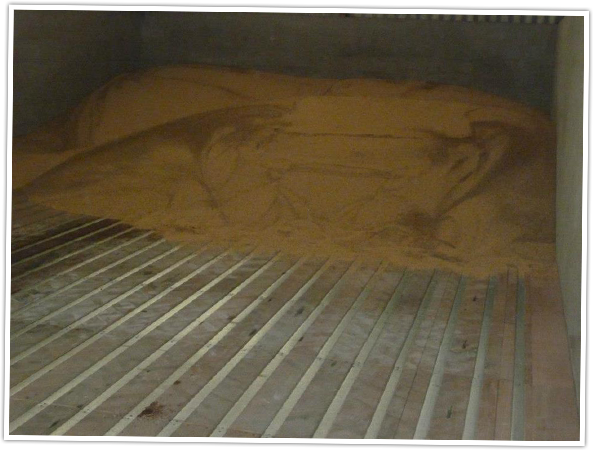
Once harvested, the black seeds come in from the field and are placed on a specialist drying floor where they are dried down to the required moisture for pre- cleaning and bulk storage.


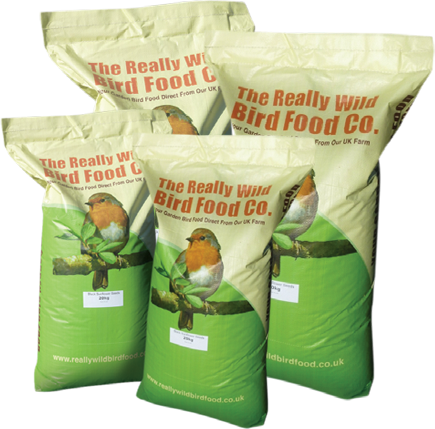
Then when we need them to incorporate in our seed mixes, or for dispatch as straight sunflower seeds, we clean them again, and then bag them up -ready to send out to you for your garden birds.